Cleaning air ducts eliminates stubborn dust, mold spores, pet dander, and renovation debris, enabling your HVAC system to circulate fresher indoor air, restore powerful airflow to every room, and maintain stable, energy-smart comfort year-round.
By treating ductwork as more than hidden pipework behind ceilings and walls, homeowners gain control over indoor air quality and reduce wasted energy. Thoughtful upkeep limits costly breakdowns, cuts power bills, and helps every room reach its target temperature faster. Ready to explore how clean passages translate into improved comfort? The guide below breaks down warning signs, proven methods, and expert advice that keep seasonal sniffles in check.
Every spring, a fresh wave of pollen drifts inside through cracked windows, door seams, and footwear. Once pollen settles on return registers, the furnace fan pulls those particles into metal ducts where they mix with pet dander, skin flakes, and more dust.
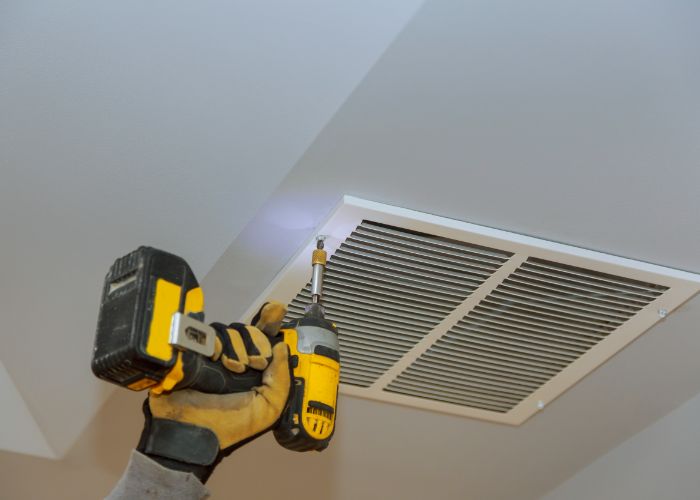
Moist crawl spaces and uninsulated attic runs add humidity that clings to debris, allowing mold colonies to take root on duct walls. When your residential HVAC system cycles, conditioned air rushes across those colonies and pushes spores into the air vents.
Left unchecked, the supply duct becomes a direct route for allergens, amplifying symptoms long after pollen counts drop. Homeowners who target these sources early reduce reliance on antihistamines and enjoy fresher air year-round.
Warm duct surfaces dry sticky pollen, and the furnace fan grinds it into fine dust that easily bypasses standard air filters. That particle cloud drifts into bedrooms, settling on pillows and rugs overnight. Parents notice more dust on window sills even after frequent vacuum sessions. Extra pollen fragments raise the load on air filters, shortening their lifespan.
Small temperature swings create condensation along uninsulated stretches of ductwork, giving spores the moisture they need to multiply. The colonies grow in dark patches that often go unseen until odors appear. Spores hitch a ride on every burst of conditioned air and spread from room to room. Residents may notice black specks around vent edges or on nearby walls.
Lightweight skin flakes from cats and dogs stay airborne, traveling from return ducts to supply vents for weeks unless captured by high-MERV filtration. The dander triggers sneezes for visitors who are sensitive to animals. Vacuum cleaners pull some flakes from carpets, yet many remain suspended in indoor air. Upgrading to a stronger filter rating cuts circulation but cannot solve deep buildup alone.
A musty scent when the system starts or visible debris at vent grilles signals trouble inside. Dust bunnies around supply vents or dark streaks on ceilings point to leaks or dirty air ducts that leak particulate matter.

Frequent filter clogging also hints that the entire system is hauling extra dirt. Even with new bedding and fresh-washed curtains, allergy flare-ups often stem from hidden buildup within duct openings.
Spotting two or more of these alerts means a full inspection is overdue.
Clogged ducts or collapsed flex runs starve distant supply vents, leaving back bedrooms stuffy or cold. Even ceiling fans cannot compensate for the weak stream of conditioned air. Children may complain that their rooms never reach the thermostat setting. Routine inspections identify pinched runs and let technicians open the pathway before damage worsens.
A damp or burnt smell at start-up shows microbial growth or decaying debris has reached the blower compartment. Odors may resemble wet socks, melting rubber, or old newspaper, depending on the contaminant. Lingering smells cling to curtains and upholstery, lowering overall indoor comfort. Early intervention keeps the aroma from permeating insulation and wood fixtures.
Particle buildup harbors bacteria, molds, and allergens that irritate the lungs. Removing that clutter lowers asthma triggers and cuts respiratory infections among children and seniors.

Clean ductwork also keeps indoor air quality closer to outdoor benchmarks set by the Environmental Protection Agency. The HVAC system operates at lower amperage, meaning less strain and reduced noise, which fosters restful sleep.
Healthy air fosters productivity, sharper focus, and a welcoming atmosphere for guests.
Families report fewer allergy clinic trips once ducts are freshly vacuumed and sanitized. Lower exposure translates into fewer prescriptions and decreased medical costs over time. Children miss fewer school days, and parents save vacation days once reserved for health appointments. That wellness boost improves quality of life during busy spring months.
Steady temperatures and silent operation help residents fall asleep faster and stay asleep longer. Clean air reduces nighttime coughing and congestion that interrupts rest. Deep sleep allows the body to repair tissues and support immune function. Well-rested individuals wake energized and more productive the following morning.
Debris inside ducts narrows the pathway for conditioned air. The furnace fan compensates by spinning faster, drawing more electricity, and wearing out bearings sooner.

Restricted air flow also leads to hot and cold spots because the system cannot push even pressure to every supply vent. Over time, the evaporator coil freezes or overheats, triggering safety shutoffs that require professional repair.
Keeping passages clear delays costly part replacements and sustains the manufacturer's warranty terms.
Reduced air volume prevents proper heat exchange, causing frost that blocks cooling entirely. Melting ice can overflow the drain pan and leak onto the ceilings below. Water damage often appears as stains or bubbling paint around vents. Preventative cleaning keeps coils dry and wards off expensive ceiling repairs.
A gas furnace running with clogged ducts may overheat, prompting safety switches and potential cracks. Cracks risk carbon monoxide leaks that threaten household safety. Annual inspections catch stress points before failure occurs. Replacing a cracked exchanger is costly and often leads owners to install a full furnace sooner than expected.
Air whistles through narrow gaps when dust piles thicken near vent covers, signaling urgent service needs. Some describe the sound as a tea kettle or distant wind howling through hallways. The noise disrupts phone calls and entertainment, prompting volume adjustments. Removing the buildup restores quiet operation and lowers household annoyance.
Homeowners can start with simple steps that make a noticeable difference. Remove vent covers, wash them with mild soap, and vacuum the first two feet of duct openings using a vacuum hose attachment. Replace air filters on schedule and keep return registers clear of furniture.
For complex layouts, crawl spaces, or suspected mold, professional service is the safer path. Specialized tools reach deep into supply lines, brush stubborn debris, and sanitize surfaces without damaging sheet metal.
Attempting full duct cleaning without training can loosen seals, create leaks, and spread more dust than is removed.
Standard vacuums exhaust fine particles back into rooms, undoing hours of work. HEPA models trap microscopic debris inside sealed canisters rather than releasing it. Their filters require periodic replacement to maintain peak performance. Vacuuming vent covers with a HEPA tool prevents surface dust from sliding back into duct openings.
Cover vents with painter’s tape while sanding floors or cutting drywall to block construction debris. Fine plaster dust behaves like smoke, infiltrating every crevice if left unchecked. Sealed registers keep renovation mess from embedding in freshly painted walls. Removing the tape right after cleanup stops adhesive from leaving residue.
Filters rated 11–13 trap smoke and pollen, keeping internal surfaces cleaner between professional visits. They slide into standard filter slots without major modifications to the return plenum. Higher resistance can shorten filter lifespan, so homeowners should inspect monthly. Writing the replacement date on the cardboard frame simplifies routine swaps.

After brush passes, a high-powered vacuum extracts loosened dust into sealed containers. Technicians finish by wiping the blower compartment, cleaning supply vents, and applying EPA-approved sanitizer to inhibit microbial growth.
Homeowners receive maintenance tips and a schedule for follow-up visits based on household size and pets.
Real-time video uncovers crushed sections or gaps that leak conditioned air into walls. Technicians can show these findings on a handheld monitor for immediate confirmation. Visual evidence helps homeowners prioritize repairs in a clear, actionable manner. Targeted fixes prevent energy loss that quietly inflates utility invoices.
Mist disinfectants leave a fresh scent without artificial fragrances that irritate allergies. The treatment coats interior metal and flexible liners, delaying microbial comeback. Certified products break down naturally without leaving sticky residue. Periodic reapplication keeps vents odor-free throughout high-humidity months.
Technicians measure cubic feet per minute at supply vents to verify performance gains. The data provides a baseline for future maintenance comparisons. Balanced output across rooms confirms that blockages and leaks have been addressed. Homeowners receive the report along with photos, adding transparency to the service.
Even the best DIY routine misses sections that snake through attics and crawl spaces. Pawtucket HVAC Pros evaluates duct integrity, recommends strategic upgrades, and schedules periodic deep cleanings that match family needs.

Qualified professionals identify undersized return ducts, propose blower speed adjustments for balanced air pressures, and advise on properly sealed joints that block outside air. By combining advanced vacuums with antimicrobial treatments, Pawtucket HVAC Pros turns dirty air ducts into polished pathways that carry fresh, conditioned air to every corner.
Residents enjoy fewer dust wipe-downs, quieter equipment, and consistent comfort because Pawtucke’s technicians fine-tune the entire system, not just the ducts. Their transparent pricing and detailed reports make long-term maintenance straightforward and budget-friendly.
Homeowners who prioritize cleaning air ducts before peak pollen counts often notice energy savings, fewer equipment breakdowns, and balanced temperatures from the basement to the attic. Pair that proactive step with Pawtucket HVAC Pros' preventive maintenance plans to keep the entire system running smoothly, preserve warranties, and enjoy whisper-quiet performance year-round, every day. Contact us today!
Managing energy use efficiently not only lowers costs but also helps maintain a more comfortable living environment. Implementing effective HVAC energy saving tips can reduce the strain on your heating and cooling system while keeping energy consumption in check. By focusing on proper maintenance and making smart choices, you can achieve both comfort and savings in your home.
Short-term steps like adjusting thermostat settings and regular filter replacement, alongside long-term HVAC energy-saving tips such as upgrading to energy-efficient heating and cooling equipment, ensure your household remains energy-conscious.
Now let’s explore some actionable HVAC energy-saving tips to help you maintain an energy-efficient home.
Routine maintenance is one of the simplest ways to keep your commercial or residential HVAC system running efficiently. Scheduling seasonal checkups with a trusted HVAC technician can prevent small issues from turning into costly repairs and ensure your system operates at peak performance. An efficient HVAC system is more effective at maintaining consistent temperatures and uses less energy over time.

A dirty air filter can restrict air flow, making your HVAC system work harder to circulate warm or cool air. By checking your air filter every month and replacing it as needed, you can improve air flow and help your system run more efficiently.
Blocked or dirty air vents can impede your system’s ability to distribute air properly. Regularly vacuuming and dusting your vents, as well as having your ductwork cleaned by a professional, can enhance airflow and reduce energy waste.
Air leaks in ductwork can significantly impact energy efficiency, leading to heat loss or cooled air escaping before it reaches your living spaces. Sealing these leaks with mastic or metal tape ensures that conditioned air stays within the ducts, reducing energy usage and lowering your HVAC energy-saving tips costs.
One of the easiest and most effective HVAC energy-saving tips is adjusting your thermostat settings. By being mindful of your home’s temperature, you can save energy and reduce heating and cooling costs without sacrificing comfort.

During cooler months, setting the thermostat a few degrees lower can cut heating costs without making the home uncomfortably cold. Using blankets or wearing warmer clothing can help keep you cozy while you save energy.
In the warmer months, raising the thermostat slightly can reduce cooling costs. Using ceiling fans or portable fans can help circulate air, allowing you to feel cooler without relying solely on the air conditioner.
A programmable thermostat lets you set different temperatures for various times of the day, such as cooler settings at night or when no one is home. By automating these adjustments, you can save energy effortlessly while still maintaining a comfortable environment.
Proper insulation and air sealing play a critical role in maintaining energy efficiency. By addressing areas where air can escape or enter your home, you help reduce the workload on your HVAC system.

Installing weather stripping or caulking around windows and doors can prevent cold drafts in winter and hot air in summer from entering your home. This simple step helps your HVAC system maintain the desired temperature more efficiently.
Insufficient insulation can lead to significant heat loss in winter and heat gain in summer. Adding insulation to attics, walls, and crawlspaces ensures that your home retains heat or cool air longer, reducing energy demand.
If you have rooms you rarely use, closing their vents and keeping the doors shut can help direct heating or cooling to the areas you occupy most. This prevents energy waste and improves overall system efficiency.
Switching to energy-efficient products is another way to enhance your home’s energy savings. Modern technologies and appliances often consume less energy, helping you reduce costs and environmental impact.
If your current system is old or inefficient, consider replacing it with an Energy Star-Certified model. These systems are designed to use less energy while providing the same level of comfort, making them a smart long-term investment.
Smart thermostats go beyond programmable models by learning your preferences and adjusting temperatures automatically. Some even provide energy usage reports, helping you identify further opportunities to save energy.
H3: Consider Energy-Efficient Lighting And Appliances
Though not directly related to your HVAC system, switching to energy-efficient light bulbs and appliances can lower your overall energy consumption, making it easier to manage heating and cooling costs in conjunction with other household expenses.
Taking advantage of natural heating and cooling methods can significantly reduce the strain on your HVAC system. Simple adjustments to your home’s layout and usage can help you maintain comfort while saving energy.
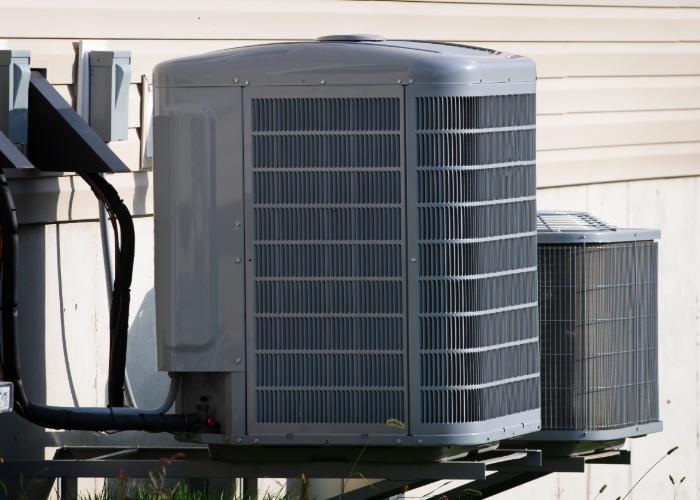
During mild weather, opening windows to let in fresh air and using ceiling fans for circulation can help keep your home comfortable without relying solely on your HVAC system.
In the summer, keeping blinds or curtains closed during the hottest parts of the day can reduce heat gain, making it easier to maintain a cool home. In winter, opening them during sunny periods allows natural warmth to enter.
Placing furniture near windows to capture sunlight during cooler months or away from heat sources in the summer can help your home feel more comfortable without adjusting the thermostat.
A professional energy audit can provide valuable insights into how your home uses energy and identify specific areas for improvement. HVAC experts can recommend targeted changes that yield significant savings and enhance overall efficiency.
An energy auditor can pinpoint the exact spots where your home is losing energy. Armed with this information, you can take steps to seal leaks and improve insulation, reducing energy consumption and lowering heating and cooling costs.
Auditors often assess the performance of your ductwork and ventilation systems. If they find inefficiencies, you can address these issues and ensure that your HVAC system operates as efficiently as possible.
In addition to identifying problems, an energy audit can offer actionable suggestions, from replacing an aging HVAC system to adding a smart thermostat or improving insulation. These improvements help create a more energy-efficient and comfortable home.
Consulting HVAC experts is crucial when making improvements to your system. Professionals have the knowledge and tools to ensure that upgrades are performed correctly, maximizing both comfort and energy savings. Choosing a reputable company like our team at Pawtucket HVAC Pros can provide you with peace of mind. By trusting our specialists, you’re investing in long-term solutions that keep your home energy-efficient and comfortable for years to come.
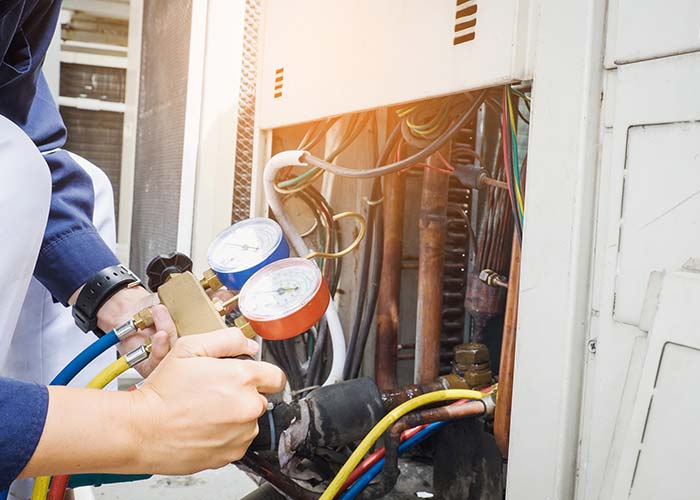
Ready to implement these HVAC energy-saving tips? With small changes, you can cut energy costs and keep your home cozy all year round. For expert advice and professional services, Pawtucket HVAC Pros is here to help. Take the first step toward a more energy-efficient home by contacting us today!
